In April 2012 Helsinki Congress Paasitorni gained environmental certification under ISO 14001. Behind this progress is the extension of...
Helsinki
This year Helsinki will be in the spotlight of the design world as the city celebrates its year as World Design Capital alongside its neighboring municipalities of Espoo, Vantaa, Kauniainen and Lahti. Hundreds of events related to design culture will be staged throughout the year.
At the same time Helsinki is celebrating its 200th anniversary as the capital of Finland. The historical year will also be brought to life with a wide range of special events.
The summer of 2012 will offer a chance to enjoy thrilling sporting events, as the Ice Hockey World Championships take over the city in May, followed by the European Athletics Championships in June and July.
This year you will get to experience the vast range of events that this maritime city has to offer. Enjoy your stay with us!
Where East meets West
Throughout its 460-year history, the maritime city of Helsinki has swung between the currents of Eastern and Western influences. The lifestyle in this northernmost of all the European Union capitals is full of contrasts and fascinating culture. Influences from both the East and West are visible in the city’s architecture, culinary culture, events, traditions and many other elements that are unique to the way of life in Helsinki.
Safe and clean
Helsinki is one of the safest cities in Europe that is friendly towards residents and visitors alike thanks to its cleanliness and functional urban planning. Food hygiene and the quality of drinking water are of the highest order and are matched by the excellence of the city’s other essential services. Most of Helsinki’s tourist attractions are situated within walking distance of the city centre, and Helsinki’s public transportation has been ranked the best in Europe.
Lively and friendly
Helsinki is open to new winds and trends, as demonstrated by the trendy and laid-back atmosphere. Studies have shown that visitors truly appreciate Helsinki’s friendly and multilingual residents. Increasingly the city is also attracting attention for its fashion, music and lively club and youth culture.
Green city surrounded by sea
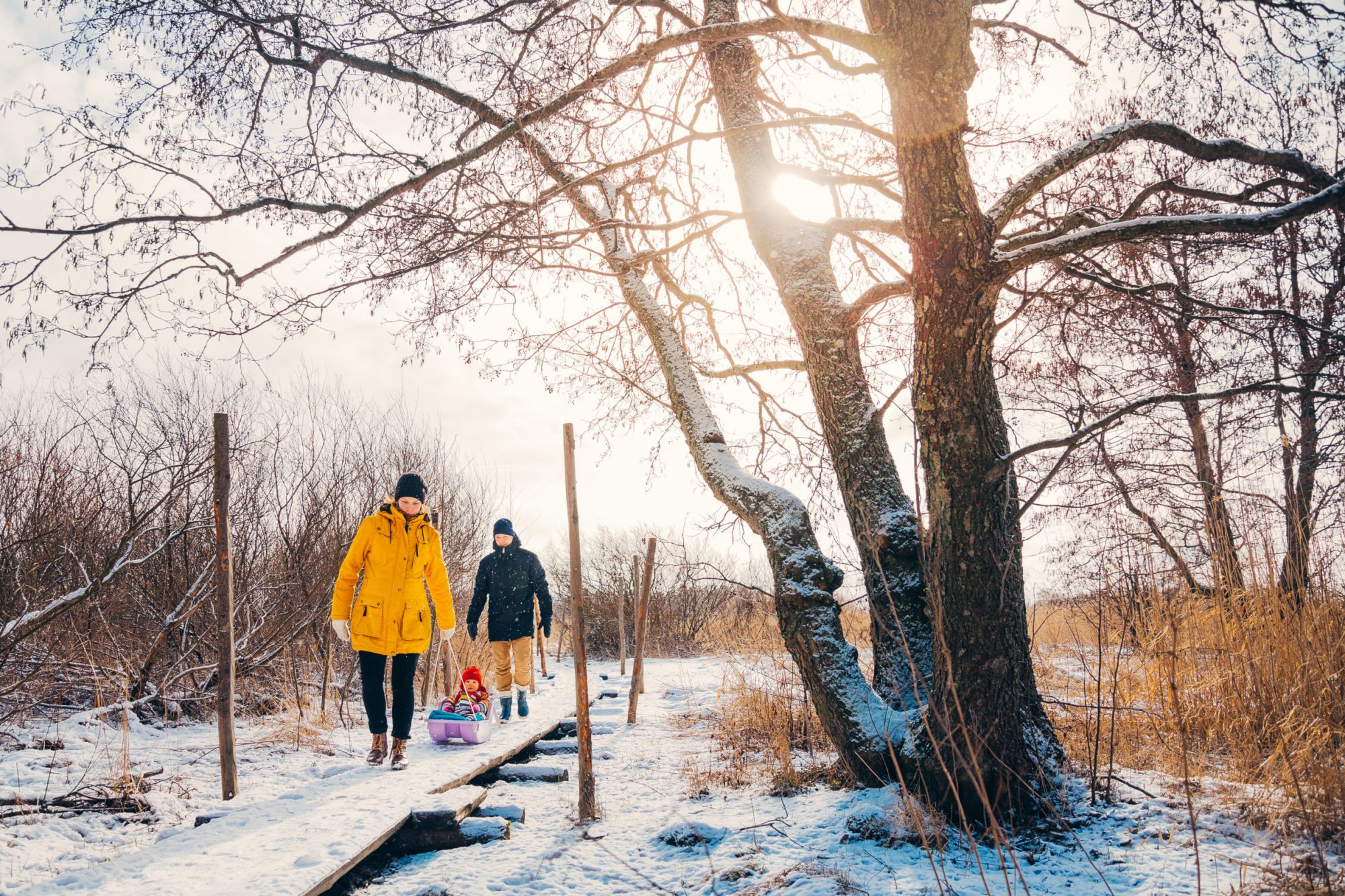
Helsinki is a green city that is close to the surrounding nature. One third of the city consists of verdant parks and other green areas. The forests of the Central Park “Keskuspuisto” begin close to the city centre. The summer has its warmth and around-the-clock sunlight, while the frozen winter glistens in Christmas card beauty. Helsinki’s hundreds of little islands make up a fascinating archipelago for sightseeing cruises, sailing, and swimming. The sea surrounds the city from the south, east and west, connecting Helsinki to many other cities along the coast of the Baltic Sea.
Architecture and design
Helsinki’s architecture is typified by Nordic minimalism and refinement, yet the styles of different periods and contrasts between Eastern and Western influences can be clearly seen. The city centre features bold Jugend-Art Nouveau designs, Neoclassical monuments and modernist masterpieces designed by Alvar Aalto, as well as reminders of Helsinki’s Byzantine-Russian heritage, Neo-Renaissance buildings and contemporary glass and steel superstructures.
Minimalistic, functional and clean Finnish design has enjoyed an enviable international reputation for decades. Helsinki is the perfect city for both design shopping and discovering Finland’s unique design culture. Helsinki even as its very own Design District, an area that is home to a wide range of designer shops, interior decorating studios, clothing and jewellery boutiques, galleries, museums, restaurants and lots more.
Great cuisine
In addition to Nordic, Russian and international cuisine, Helsinki offers many ethnic and fusion restaurants and also world-class restaurants that have earned Michelin stars. Finnish home cooking traditions can be enjoyed in cosy local restaurants that have built their reputations on such dishes as fried herrings and mashed potatoes.
HELSINKI’S FASCINATING PAST
- Sweden’s King Gustav Vasa founded Helsinki at the mouth of the Vantaa River in 1550 to compete with Tallinn for Baltic Sea trade.
- The centre of Helsinki was moved to its current location in the mid-17th century.
- In 1748, construction of the Suomenlinna Maritime Fortress began off the coast of Helsinki to counter the growing threat from Russia. Sweden eventually ceded Finland to Russia in 1809. In 1812 the status of Helsinki was raised to that of capital of the Grand Duchy of Finland. A monumental city plan was drawn up in the Empire style to reflect the power of Russia and the Tsar.
- Finland gained its independence in 1917, with Helsinki as the capital of the young republic.
- Recovering from the hardships of war, Helsinki was awarded the Summer Olympics of 1952.
- Helsinki is known as a city of well-organised conventions, conferences and important summit meetings.
- Finland became an EU member in 1995.
- Helsinki was one of the nine European Cities of Culture in 2000.
- The euro became Finland’s official currency at the beginning of 2002.
Today Helsinki is a rapidly developing international metropolis that has managed to maintain a human touch throughout the centuries. - Further information www.visithelsinki.fi